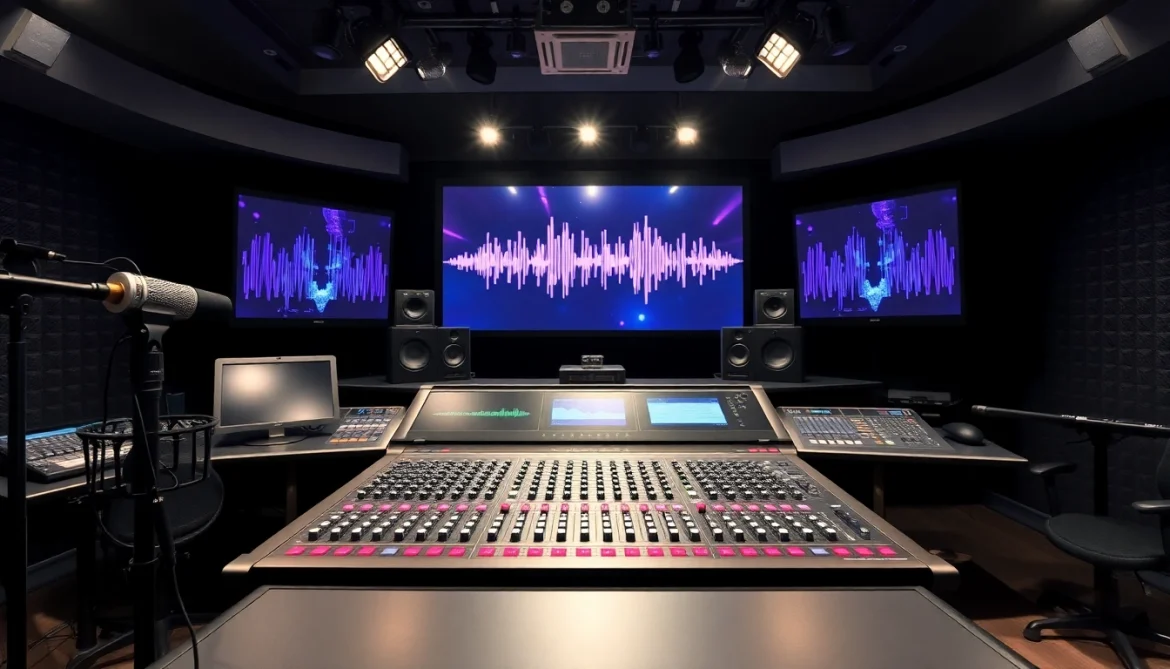
Understanding the Q388 Digital Mixing Console
The Q388 serves as a state-of-the-art digital mixing console renowned for its innovative features and capabilities that cater to audio professionals across various sectors. Designed with a user-friendly interface and advanced technology, it is ideal for both live performances and studio recordings. In an era where audio clarity and precision are paramount, the Q388 stands out as a reliable tool for sound engineers and musicians alike. With its comprehensive capabilities, the console allows users to create immersive audio experiences that resonate with audiences.
For those exploring the functionalities of the Q388, it’s worth diving deep into the specifics that make it a preferred choice among audio professionals. You can find more detailed insights about it on Q388.
What is the Q388 and its Key Features?
The Q388 is an advanced digital mixing console that boasts numerous features tailored for professional audio applications. Among its standout features are:
- High Channel Count: With up to 128 input channels, the Q388 is engineered for complex audio setups.
- Multiple Buses: It supports 64 buses, allowing for versatile routing options that cater to various sound mixing scenarios.
- Intuitive Touch Interface: The console is equipped with multiple high-resolution touch screens, making navigation seamless.
- Comprehensive Effects Processing: Users can apply numerous built-in effects, enabling customization and enhancement of sound quality.
Comparison of Q388 with Other Mixing Consoles
When comparing the Q388 to its competitors, several factors come into play. For instance, the Quantum 338 by DiGiCo is often mentioned for its superior processing power and user-friendly interface. While both consoles offer robust capabilities, the Q388 shines in its affordability and accessibility for smaller venues or mobile setups.
Additionally, features such as the Q388’s scalability and modular design allow for easy upgrades as technology evolves, an aspect that many other mixing consoles lack. This adaptability ensures that the Q388 remains relevant in a rapidly advancing industry.
The Evolution of Digital Mixing Technology
The realm of digital mixing has transformed significantly over the past few decades. From analog consoles that dominated the landscape to the emergence of sophisticated digital solutions like the Q388, audio mixing has become more efficient and precise. The evolution is largely driven by advancements in technology, providing sound engineers with tools that were unimaginable a generation ago.
Today, features such as automated mixing and real-time processing capabilities are standard, allowing for intricate sound designs that captivate audiences. As we look towards 2025, the trend seems to indicate a continued integration of artificial intelligence and machine learning in mixing processes, enhancing both quality and efficiency.
Setting Up Your Q388 Console for Optimal Performance
Setting up the Q388 for optimal performance requires attention to detail and a clear understanding of its components. From connectivity to configuration, each step plays a vital role in ensuring that users can make the most out of their mixing experience.
Essential Equipment for a Complete Setup
To complement the Q388, certain equipment is essential for an effective setup, including:
- Quality Microphones: Choosing the right microphones can significantly enhance the input quality, vital for both recording and live sound applications.
- Audio Interface: A reliable audio interface connects the console to computers or additional equipment, facilitating seamless audio transmission.
- Speakers and Monitors: High-fidelity speakers and studio monitors are crucial for accurate audio playback, allowing sound engineers to make informed mixing decisions.
- Headphones: Good-quality headphones are necessary for detailed monitoring, especially in live settings.
Step-by-Step Installation Instructions
Installing the Q388 involves several steps to ensure proper functionality:
- Unpack all components and check for any damage.
- Install the console on a stable surface, ensuring it is easy to access.
- Connect all audio sources to the respective inputs, taking care to label them for organization.
- Power on the console and configure audio settings as per the requirement of the application being used.
- Conduct sound checks to confirm that all channels and effects are working as expected.
Common Setup Challenges and Solutions
While setting up the Q388, users may encounter challenges such as latency issues or unexpected feedback. Here are some common solutions:
- Check Connections: Ensure all cables are securely connected to avoid signal loss or interference.
- Adjust Buffer Size: If experiencing latency, adjusting the buffer size in the audio settings can help optimize performance.
- Monitor Levels: Keep an eye on audio levels to prevent distortion and feedback, adjusting gain levels as needed.
Advanced Techniques for Using the Q388
Once the Q388 is set up, users can explore advanced mixing techniques that maximize its potential and enhance audio quality.
Mixing Strategies for Live Sound Applications
For live sound applications, strategic mixing is essential. Implementing techniques such as:
- EQ Adjustment: Understanding how to effectively use equalization can significantly improve sound clarity.
- Dynamic Processing: Employing compression and gating can help manage audio levels and enhance overall mix control.
- Monitor Mixes: Providing individual mixes to performers helps ensure that they can hear themselves, leading to better performances.
Studio Recording Best Practices with Q388
When using the Q388 for studio recordings, consider the following best practices:
- Utilize Grouping: Grouping tracks can streamline the mixing process, allowing for simultaneous adjustments.
- Detailed Automation: Implement automation for effects and volume changes to create a more dynamic and engaging sound.
- Regularly Save Work: Consistently saving session data helps prevent data loss and allows for easy revisions.
Utilizing Advanced Features for Sound Customization
The Q388 comes equipped with numerous advanced features designed for sound customization. Exploring effects such as reverb, delay, and modulation can add depth and character to audio projects. Engaging with these tools enables sound engineers to shape the audio landscape more creatively, ensuring a unique and polished final product.
Maintenance and Troubleshooting of the Q388
To keep the Q388 functioning optimally, routine maintenance and troubleshooting are key components of ownership.
Routine Maintenance Tips for Longevity
Implementing regular maintenance practices can significantly extend the life of the Q388:
- Clean the Console: Regularly dusting and wiping the surface of the console prevents dirt buildup, which can affect performance.
- Software Updates: Keeping the console’s software up to date ensures new features and performance enhancements are integrated.
- Check Connections: Regularly inspect all connections and cables for wear and tear to avoid unexpected failures.
Common Issues and How to Fix Them
Users may face common issues such as channel malfunctions or audio dropouts. Here are solutions to address these challenges:
- Channel Issues: If a specific channel is not working, check the input source and ensure it is properly connected.
- Audio Dropouts: To eliminate dropouts, check the CPU load and reduce the number of active processes or plugins running simultaneously.
- Check Firmware: Issues may arise from outdated firmware, so ensure that updates are applied to mitigate problems.
When to Seek Professional Support
If challenges persist beyond basic troubleshooting, it may be time to consult a professional technician. Specialists have the expertise to diagnose and resolve complex issues that could impede the functionality of the Q388, ensuring that it remains a reliable tool in your audio arsenal.
Future Trends in Digital Mixing Consoles: Looking Beyond 2025
The future of digital mixing suggests an exciting landscape shaped by emerging technologies that will redefine audio production. As we move towards 2025, several trends are beginning to take shape.
Emerging Technologies in Audio Production
New technologies such as cloud-based mixing and remote collaboration tools are gaining traction. These innovations allow for more flexible workflows and the ability to work with teams across the globe, making the production process more efficient.
The Role of Artificial Intelligence in Mixing
Artificial intelligence will play a pivotal role in shaping the future of mixing consoles. AI-driven tools that offer real-time adjustments based on acoustic analysis will enable audio engineers to focus on creative aspects rather than technical details. This shift promises greater efficiency in sound engineering practices.
Preparing for the Future of Sound Engineering
Audio professionals should stay informed about advancements in technology and continuously upskill to adapt to the evolving landscape. Engaging with communities and forums dedicated to audio technology can provide valuable insights and keep professionals ahead of the curve.
In conclusion, the Q388 not only represents a pinnacle of current audio mixing capabilities but also integrates future-proof features that will keep sound engineers ready for the challenges ahead. To further enhance your audio journey, consider exploring Đá gà Q388, which offers additional resources and insights aligned with current audio trends.